
Top Advantages of SCIP Construction
When it comes to modern construction, efficiency and resilience are key. SCIP construction has emerged as a game-changer in the industry. Its innovative approach offers numerous advantages that can transform how projects are executed. I have seen firsthand how SCIP systems elevate the quality and durability of buildings. Let me share the top advantages of SCIP construction and why it is becoming the preferred choice for general contractors and project developers.
What Makes SCIP Construction Stand Out?
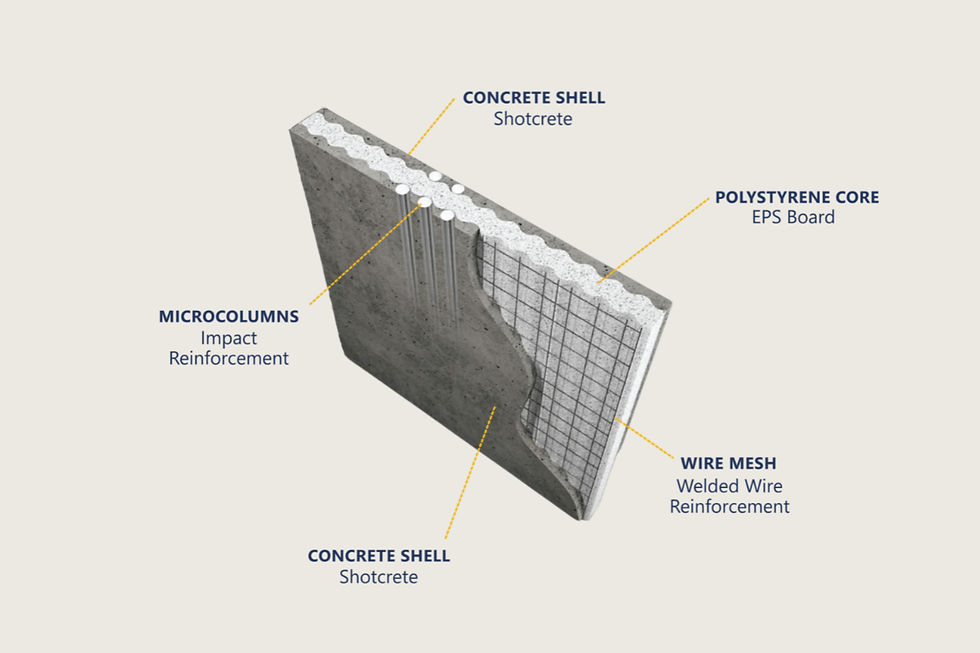
SCIP, or Structural Composite Insulated Panels, combine strength, insulation, and speed in one system. Unlike traditional methods, SCIP panels are prefabricated and ready to install. This reduces on-site labor and shortens construction timelines significantly. The panels consist of a rigid foam core sandwiched between two structural facings, usually metal or cement board. This design offers excellent thermal performance and structural integrity.
One of the biggest advantages of SCIP construction is its energy efficiency. The panels provide superior insulation, which helps maintain consistent indoor temperatures. This reduces heating and cooling costs over the building’s lifetime. Additionally, SCIP panels are resistant to moisture, pests, and fire, making them a durable choice for various climates and conditions.

Advantages of SCIP Construction for Project Developers
For project developers, SCIP construction offers several practical benefits that improve project outcomes:
Faster Construction Times: Prefabricated panels arrive ready to install, cutting down framing and insulation work. This speeds up the entire build process.
Cost Savings: Reduced labor and shorter schedules translate into lower overall costs. Plus, energy savings add value long term.
Design Flexibility: SCIP panels can be customized in size and finish to fit various architectural styles and requirements.
Improved Building Performance: The panels provide excellent thermal and acoustic insulation, enhancing occupant comfort.
Sustainability: Many SCIP systems use recyclable materials and reduce waste on site, supporting green building goals.
These advantages make SCIP construction a smart choice for developers aiming to deliver high-quality, efficient projects on time and within budget.
How SCIP Construction Enhances Structural Integrity
One of the most impressive features of SCIP construction is its strength. The composite panels act as a unified structural element, distributing loads evenly. This reduces the need for additional framing and increases the building’s resistance to wind, seismic activity, and other forces.
The rigid foam core also adds to the panel’s durability by preventing moisture infiltration and thermal bridging. This means the building envelope remains intact and energy-efficient for years. I have observed projects where SCIP panels have outperformed traditional walls in harsh weather conditions, proving their resilience.
Practical Tips for Implementing SCIP Construction
If you are considering SCIP construction for your next project, here are some actionable recommendations:
Work with Experienced Suppliers: Choose manufacturers with proven expertise in SCIP systems to ensure quality and support.
Plan Early for Panel Sizes and Layout: Early coordination helps optimize panel dimensions and reduces waste.
Train Your Crew: Even though installation is straightforward, proper training ensures panels are handled and installed correctly.
Integrate with Other Systems: SCIP panels work well with various roofing, window, and finishing systems. Plan integration carefully.
Focus on Detailing: Pay attention to joints, seals, and penetrations to maintain the panel’s performance.
By following these steps, you can maximize the benefits of SCIP construction and avoid common pitfalls.
Why SCIP Construction is the Future of Building
The construction industry is evolving, and SCIP construction is at the forefront of this change. Its combination of speed, strength, and sustainability aligns perfectly with modern demands. As a contractor or developer, adopting SCIP systems can set your projects apart in quality and efficiency.
The benefits of scip construction are clear. They help reduce costs, improve building performance, and shorten timelines. This makes SCIP an ideal solution for those who want to lead the market with advanced, resilient construction methods.
Embracing Innovation with SCIP Construction
Choosing SCIP construction means embracing innovation and expertise. It reflects a commitment to delivering superior buildings that stand the test of time. With SCIP, you gain a competitive edge and contribute to raising industry standards.
I encourage you to explore SCIP construction further and consider how it can enhance your projects. The future of construction is here, and it is built on smart, efficient, and resilient systems like SCIP.
By integrating SCIP construction into your workflow, you position yourself at the cutting edge of the industry. The advantages are tangible and impactful. Start your journey with SCIP today and experience the difference it can make.


Comments